Join CAC, Studio Gang and the Urban Wildlife Institute at the Nature Boardwalk at Lincoln Park Zoo for an exploration of the redeveloped urban habitat and landscape design that distinguishes this special place.
Tour & Talk: Nature Boardwalk at Lincoln Park Zoo
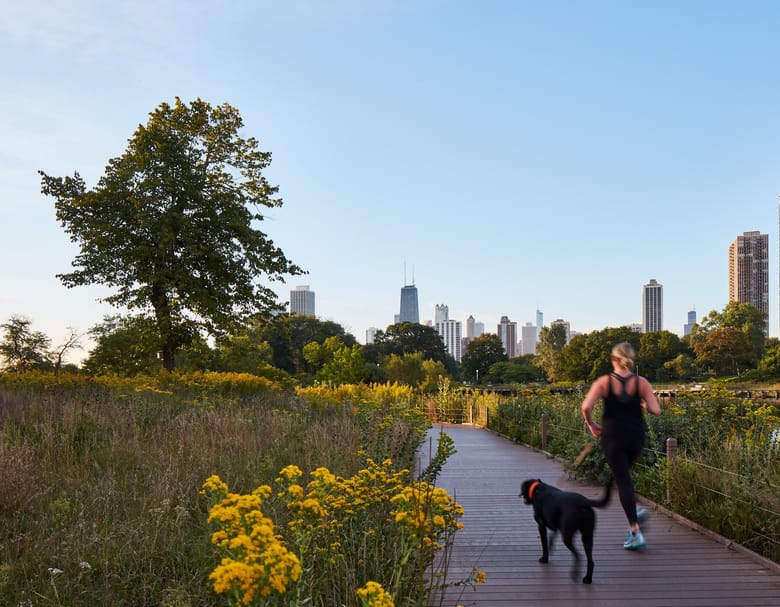
Nature Boardwalk at Lincoln Park Zoo, designed by Studio Gang. Photo by Tom Harris.

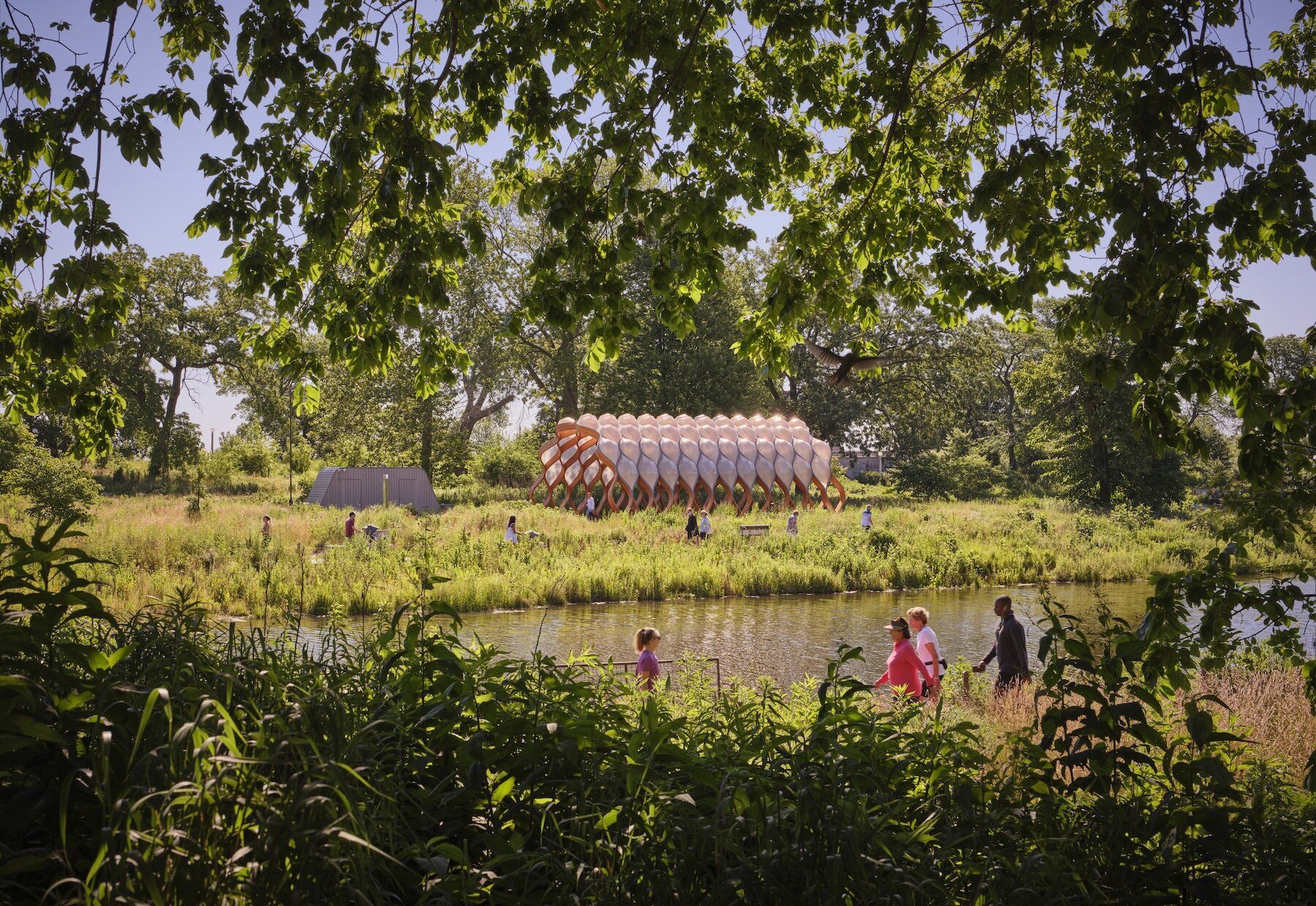
Completed in 2010, Studio Gang’s Nature Boardwalk at Lincoln Park Zoo is a 14-acre public park buzzing with life. With its native plantings, improved topography, and deepened pond, the park has become home to more than 250 wildlife species, giving Chicagoans and visitors a place to connect with diverse nature in the heart of the city. The bent-wood pavilion near the center of the park, which hosts outdoor nature and fitness classes and frames the Chicago skyline, has become a well-loved local landmark.
Nature Boardwalk also serves as the home base for the research and educational programs of Lincoln Park Zoo’s Urban Wildlife Institute (UWI). Using technologies such as motion-triggered cameras, UWI scientists are monitoring wildlife populations and behavior at Nature Boardwalk and throughout the Chicago region with the goal of better understanding how humans and wildlife can coexist in urban places. Animals seen at Nature Boardwalk include coyotes, turtles, beavers and many species of birds including the endangered Black-crowned Night Heron.
Attendees will meet at the north end of the Boardwalk (next to historic Café Brauer) for guided walking tours led by Studio Gang and the UWI. Leading groups through numerous habitats, guides will share how the project’s design was influenced by the ecology of the Chicago region; how wildlife have returned to the area since the inception of the project; and how architects and scientists are working together to support a flourishing urban ecosystem on this site and beyond.
This program is connected to the exhibition, Flyway City: Architecture for a Flourishing Ecosystem, currently on view at CAC.
Speakers:
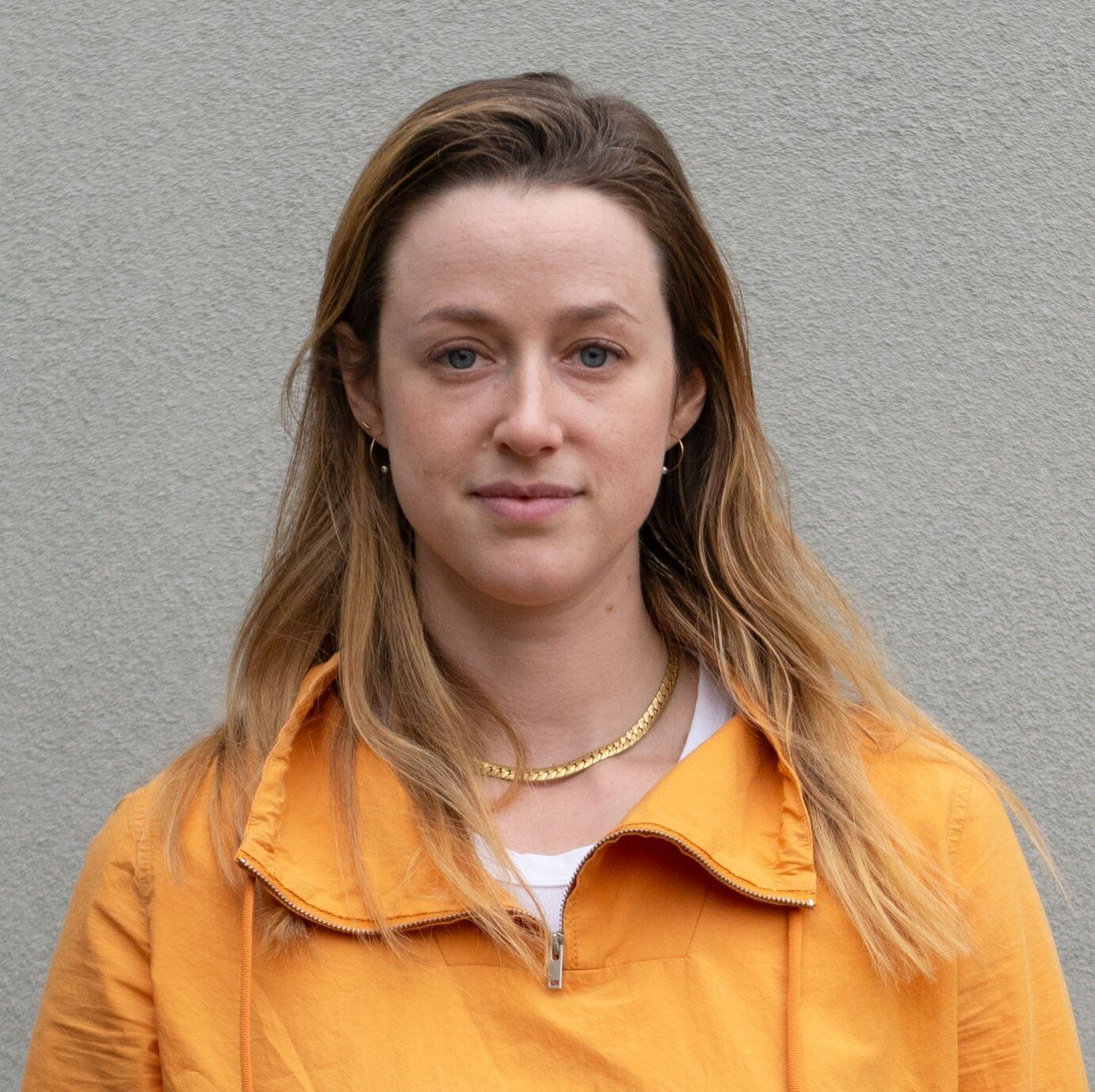
Alissa Anderson (she/her) is Principal of Publications and Exhibitions and a Partner at Studio Gang. She leads the Studio’s research, writing, exhibitions, and special projects that engage critical environmental and social issues using the unique skill set and perspective of design.
Alissa led the Studio’s new exhibition on bird-safe design, Flyway City: Architecture for a Flourishing Ecosystem, a collaboration with the Chicago Architecture Center. Her past projects include exhibition contributions for the International Venice Architecture Biennale, the MAXXI Museum in Rome, and the Art Institute of Chicago; as well as book projects such as Jeanne Gang’s The Art of Architectural Grafting. Alissa holds a master’s degree in Critical, Curatorial, and Conceptual Practices in Architecture (CCCP) from the Columbia University GSAPP and a Bachelor of Arts with honors in English and Creative Writing from Northwestern University.
Lydia Link (she/her) is Studio Gang’s Build Shop Manager and Urban Ecology Specialist. With dual degrees in studio art and biology, Lydia brings her unique skill set to the Studio’s exhibition projects, ecological research, and experimentation. Drawing on her expertise as a professional furnituremaker, Lydia manages the Studio’s Build Shop, producing architectural mock-ups and models as well as custom fabrication for exhibition projects. She also manages the native prairie garden on the rooftop of Studio Gang’s Chicago office, working closely with beekeepers, ecologists, ornithologists, and soil scientists to realize related programming and data collection efforts.
In her free time, Lydia enjoys birdwatching and backcountry canoeing, as well as serving on the Illinois chapter of The Nature Conservancy’s Board of Trustees.
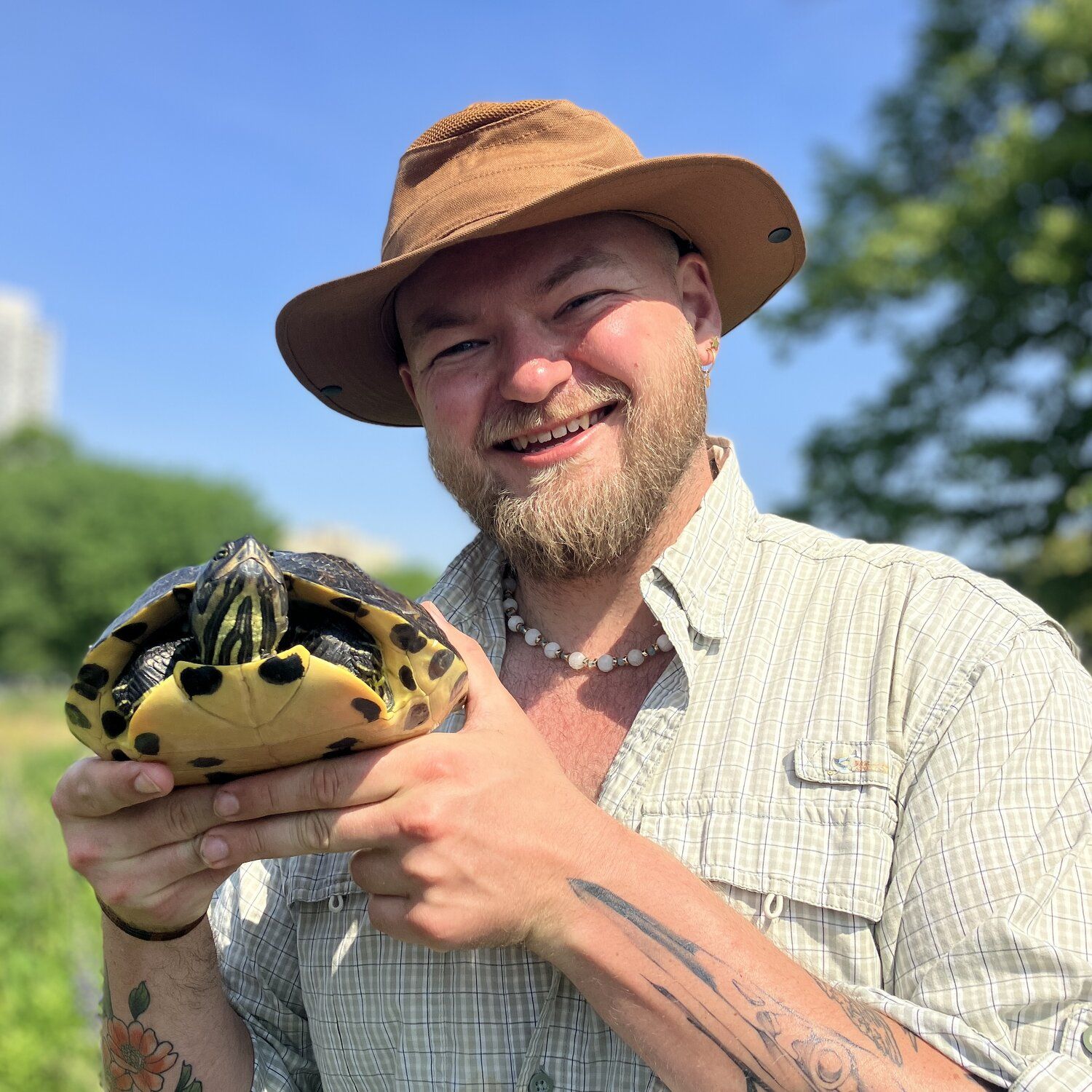
Henry Adams (they/them) is a wildlife health ecologist, science educator, and illustrator currently living in Chicago, the traditional homelands of the Ojibwe, Odawa, Potawatomi and many other Indigenous peoples. Henry leads the Urban Night Heron Conservation Program, a collaborative research team that investigates the habitat selection, movement and health of urban Black-crowned Night Herons in Chicago, and spearheads various urban biodiversity monitoring and education initiatives through their work at the Lincoln Park Zoo and in the community.
As an artist, Henry is heavily influenced by fantasy, classic scientific illustration, anime, and comic arts. In their work, Henry blends ecology, illustration, identity, and child-like wonder to tell stories of the natural world and platform social issues. They seek to use education, art, and intersectional ecological research to empower and create space for Queer joy and community in nature.
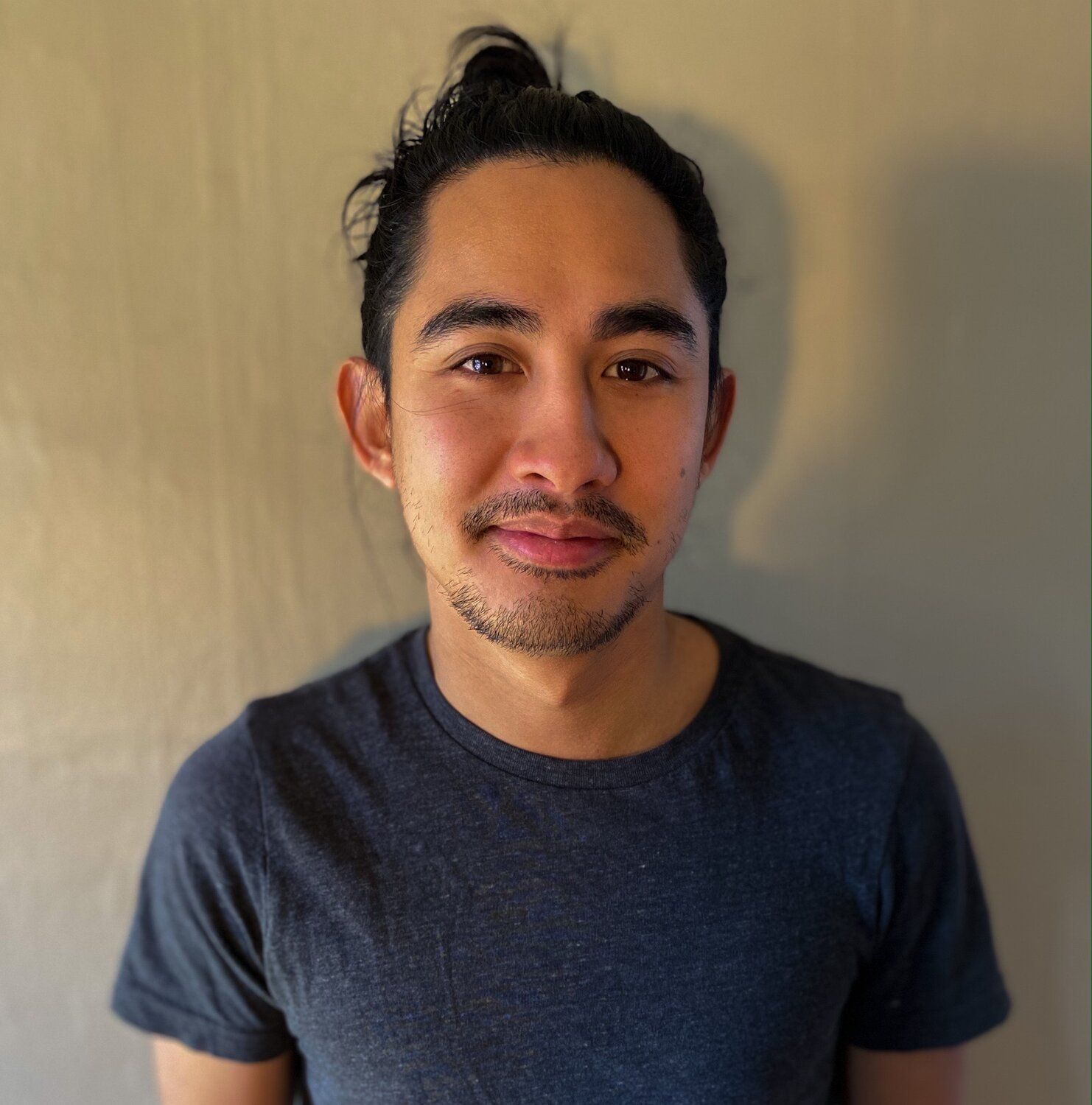
Mikko Jimenez (he/him) is an urban ecologist and science writer, who broadly focuses on the intersection of bird migration and city life. As a research intern for the Urban Wildlife Institute (Lincoln Park Zoo), Mikko was introduced to urban ecology in the Chicago green spaces that he grew up in. Since then, he has continued to study the various ways that birds interact with cities, earning his M.S. and Ph.D. and working as a biologist for the National Audubon Society.
Mikko is now a postdoctoral researcher with UWI. As a science communicator, Mikko has bylines with outlets such as Popular Science, The Conversation, Positively Filipino, and the National Audubon Society. Through his research and public-facing writing, he aims to bridge the gap between science and action, highlighting how ecological research connects to everyday lives and communities.





Lincoln Park Zoo Boardwalk. Photo by Steve Hall.
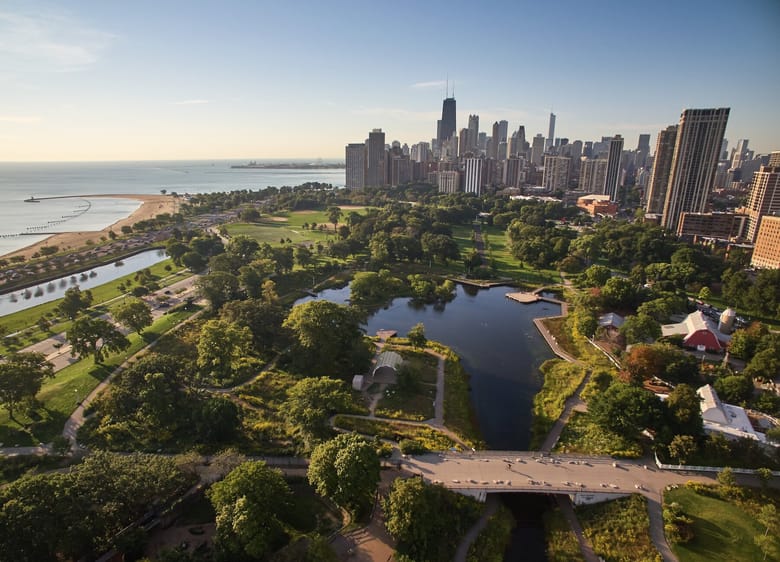
Lincoln Park Zoo and surrounding Chicago skyline. Photo by Steve Hall.